Sleep Basics · Mattress Materials
Inside Naturepedic Organic Mattresses: Materials, Certifications, and Care
An organic mattress is more than a label. Its cover, comfort layers, support system, and certifications each tell part of the story—and none can tell you on its own whether a bed will feel right. Here’s how to read the details, understand what they can and can’t promise, and care for a mattress in a way that helps it last.
A mattress is one of the most personal pieces of furniture in a home. It has to suit the person sleeping on it: their preferred position, pressure points, temperature comfort, and sense of what “supportive” actually feels like. For shoppers looking at Naturepedic organic mattresses, those ordinary questions meet a second set: Which materials are used? What does a certification verify? How should the mattress be protected and maintained?
The answers are found by looking past the word organic and reading the construction in layers. A mattress may combine organic cotton, wool, latex, coils, or other components, and each affects the finished product differently. Certification can provide useful information about a particular material or manufacturing standard, but it is not a comfort rating, a medical endorsement, or a guarantee that every sleeper will love the feel.
This guide offers a practical way to assess those details. It is intended as general consumer education, not medical advice or a product endorsement. Product specifications and certifications can change, so confirm current claims and care instructions with the manufacturer before making a decision.
Start with the layers, not the label
The word “mattress” can make a complex construction sound like a single material. In reality, a bed is a system. The outer cover, comfort layers, transition materials, and support core all contribute to its feel and function. A useful first step is to identify each layer and ask what it is there to do.
- Cover: The fabric closest to the sleeper may influence surface feel, breathability, and how the mattress is cleaned or protected.
- Comfort layers: Materials such as latex or quilted natural fibers may affect cushioning, pressure relief, and how quickly the surface responds to movement.
- Support core: Coils or other structural components help carry body weight and shape the overall response of the mattress.
- Fire barrier and other components: Ask what materials are used and how the maker meets applicable flammability requirements. Do not assume that one material or certification explains every part of the mattress.
A material’s name is only a starting point. Two mattresses that both contain cotton or latex can feel very different because of thickness, density, processing, layering, and the materials around them. Construction details can help explain likely characteristics, but they cannot replace trying a mattress when that is possible.
How common mattress materials can shape the experience
Naturepedic models vary, so shoppers should consult the specifications for the exact size and configuration they are considering. Broadly, these are some of the material questions worth asking when comparing organic mattresses.
Cotton: familiar, breathable, and worth examining closely
Cotton is often used in mattress covers and quilted layers. It can provide a soft, familiar surface and is commonly associated with airflow, though the finished feel depends on the weave, quilting, and layers underneath. Check whether a product specifies organic cotton, which components contain it, and whether a certification applies to the cotton or to a wider portion of the product.
Latex: buoyant support with a distinct feel
Latex is often described as responsive: it tends to spring back rather than slowly conforming in the way some foams do. Some sleepers like that buoyant quality; others may prefer a more enveloping surface. Ask whether the latex is natural or blended, how it is processed, and what certification—if any—covers it. People with latex allergies should consult a qualified healthcare professional and the manufacturer for information relevant to their circumstances.
Coils: structure and movement through the bed
Innerspring and hybrid mattresses use metal coils as part of their support system. Coil design, arrangement, and surrounding materials influence the overall response, edge feel, and movement isolation. A coil count alone is not a complete measure of quality or comfort. Look for a description of the whole construction and, where available, try the mattress in your usual sleeping position.
Wool and other natural fibers: cushioning and temperature considerations
Wool or other fibers may appear in a quilted layer or as part of a comfort system. Their presence may affect softness, insulation, and how the surface handles moisture, but those effects depend on quantity and construction. Confirm whether a fiber is used in the specific model you are considering, rather than assuming that all products in a brand’s range share the same materials.
What a mattress certification can—and cannot—tell you
Certifications can make complicated supply-chain and material claims easier to evaluate, but the name of a standard matters less than its scope. A certification may apply to a raw material, a finished textile, a component, a facility, or a complete product. Those are not interchangeable claims.
For example, an organic-textile certification may address how relevant fibers are grown and processed, while another certification may focus on emissions, chemical restrictions, or testing of a component. A label should be read with the question: What exactly is certified, by whom, and under which standard? If the product listing is unclear, ask the manufacturer for the certificate or a precise explanation of its coverage.
- Check the scope. Determine whether the certification covers the whole mattress or only specified materials.
- Look for the standard name. A broad phrase such as “certified organic” is less informative than the certifier and standard identified clearly.
- Verify the product and model. Certifications can differ between models, sizes, or product generations.
- Separate certification from comfort. A certified product may still be too firm, too soft, too warm, or otherwise unsuitable for an individual.
- Ask about current documentation. If a claim is important to your decision, request current details rather than relying on a general brand statement.
A certification is best understood as evidence about a defined standard—not a sweeping guarantee of health, safety in every circumstance, environmental impact, durability, or sleep quality. The precise meaning depends on the program and the way the claim is presented. That distinction is especially important when a product page uses several badges or broad terms without explaining which layers they cover.
Comfort is personal, even when the materials are familiar
Organic materials do not determine a single “natural” feel. One person may find a latex-and-coil mattress springy and supportive; another may experience the same construction as too firm or lively. Body shape, weight distribution, sleeping position, and personal preference all affect how a surface feels.
Use your own sleep habits as a guide. Side sleepers often pay close attention to cushioning around the shoulders and hips. Back and stomach sleepers may prioritize a stable surface that keeps the body from sinking in a way that feels uncomfortable. These are general considerations, not rules: individual needs differ, and persistent pain or sleep concerns deserve a conversation with a qualified clinician.
If possible, test a mattress for long enough to notice more than its first impression. Pay attention to ease of movement, pressure at the shoulders and hips, temperature, and whether the surface remains comfortable in your regular position. Review the trial period, return conditions, delivery requirements, and warranty before purchasing. Those policies are part of the practical decision, even though they do not reveal whether the mattress will feel right.
Examples of Naturepedic constructions
Naturepedic offers products with different intended uses and constructions, so a brand name alone does not tell you which mattress is appropriate. The following examples illustrate why model-specific reading matters; they are not recommendations for every sleeper.
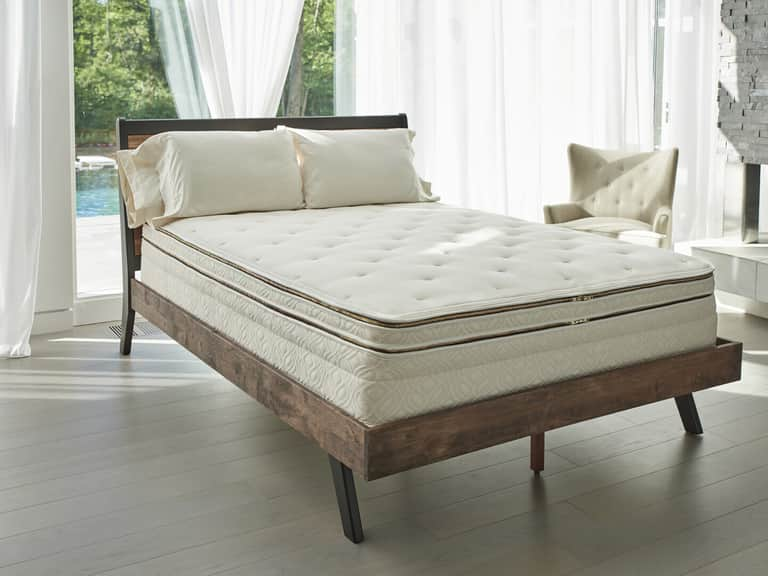
The Naturepedic Arcadia Hybrid Organic Mattress is described as a 13-inch hybrid with wrapped coils and Dunlop latex, and the listed specifications include firmness choices. Its materials and layered construction may be relevant to shoppers comparing a responsive hybrid format. Check the current product page for the exact materials, available options, certifications, and care information before relying on any particular detail.
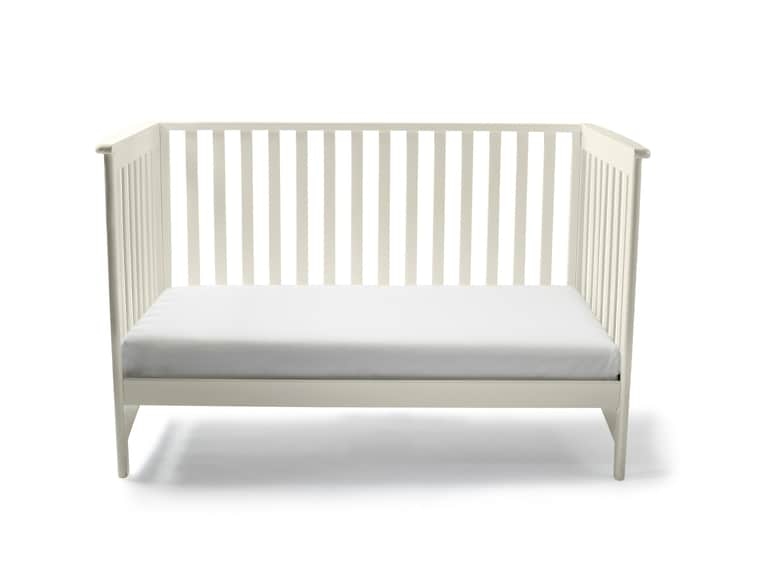
For a very different use, the Naturepedic Lightweight Organic Cotton Crib Mattress is a crib product, not an adult mattress. Its listing describes organic cotton construction and a waterproof surface. Crib mattresses should be selected and used according to current safe-sleep guidance, the crib manufacturer’s fit requirements, and the product’s instructions. An adult mattress’s comfort criteria do not translate to an infant sleep surface.
Care begins with the manufacturer’s instructions
Mattress care is less glamorous than choosing one, but it has a real effect on how well the bed stays clean and usable. Instructions differ by materials and model. Before cleaning, moving, rotating, or adding a protector, find the care guide for the exact mattress. A method that is appropriate for one construction may damage another.
- Use a suitable protector. A breathable, properly sized protector can help guard against spills and everyday soiling. Confirm that it is compatible with the mattress and does not interfere with its intended use.
- Respond to spills promptly. Follow the maker’s instructions for spot cleaning. Avoid soaking a mattress or applying cleaning products unless the care guide permits them.
- Keep moisture in mind. Allow the bed and bedding to dry fully after cleaning. Trapped moisture can create conditions that are difficult to manage inside soft furnishings.
- Rotate only when advised. Some mattresses benefit from periodic rotation; others have a directional or layered design. Do not flip a mattress unless the manufacturer says it is designed to be flipped.
- Support it appropriately. Use a foundation or bed frame that meets the mattress maker’s requirements. Check spacing, center support, and weight limits.
- Keep the documentation. Save the care guide, warranty, and purchase details. Warranty coverage generally has specific requirements and does not mean normal wear or comfort changes are automatically covered.
Natural fibers and latex should not be assumed to be washable or immune to wear. Likewise, “organic” does not mean that a mattress never needs a protector, cleaning, or replacement. Routine care is about protecting the construction while following the directions designed for it—not improvising based on a material’s reputation.
A straightforward checklist before you decide
When comparing Naturepedic organic mattresses—or any mattress—keep the questions concrete:
- What materials are in the cover, comfort layers, support core, and fire barrier?
- Which materials are certified, and what specific standard and scope apply?
- How does the construction feel in my usual sleeping position and preferred firmness?
- Are there relevant allergies, sensitivities, or other personal considerations to discuss with a clinician or manufacturer?
- What are the trial, delivery, return, and warranty terms?
- What cleaning, rotation, foundation, and protection instructions apply to this exact model?
The reassuring details are the specific ones
A mattress decision can feel like a tangle of labels, materials, and confident claims. The way through is to separate the questions. Construction explains what the bed is made from and how its layers work together. Certification clarifies whether defined standards have been met. Care instructions tell you how to protect the mattress. Personal testing and preferences help determine whether the feel suits you.
For Naturepedic organic mattresses, as for any brand, the clearest choice comes from matching those details to the individual model rather than relying on a single adjective or badge. Read the specifications, verify certification scope, and take comfort seriously as its own criterion. A well-informed decision is not about finding a feature that promises everything; it is about understanding what each feature actually offers—and what remains personal.