A practical, evidence-informed guide for parents and caregivers who want the safest possible starter sleep surface for their baby. We explore certified materials, common construction pitfalls, and the features that support healthy infant sleep, with perspectives from three generations of sleep advocates and designers who’ve helped shape our understanding of safe, comfortable beds.
From day one, babies breathe deeply, study their world with fresh curiosity, and depend on us to provide a sleep space that protects their developing nervous systems. An organic crib mattress isn’t just a fashion statement in nursery design; it’s a foundational health choice. Parents increasingly prioritize non-toxic materials, durable construction, and practical features that make daily care easier. Organic certifications like GOTS (Global Organic Textile Standard), GOLS (Global Organic Latex Standard), and CertiPUR-US foams help families read labels with confidence, ensuring that a product’s claims align with independent standards rather than marketing hype.
When evaluating crib mattresses, safety is the north star. Firmness matters for crib surfaces because it minimizes the risk of suffocation and suffocation-related hazards. A wipe-clean or removable cover can reduce the exposure to liquids and allergens, while edge support maintains a stable sleeping surface as babies roll or wiggle. Materials should be resilient, naturally resistant to mold and mildew, and free from harmful flame retardants or chemical additives common in some conventional foams.
Note: Certifications signal credible standards, but read product labels carefully. Certifications may cover only certain components (e.g., organic cotton cover or latex layer), not the entire mattress.
Before purchasing, you can simulate daily care tasks to gauge how practical each mattress will be for your family. Consider how easy it is to wipe clean a spill, how the knit or fabric cover handles repeated washing, and whether you can replace a cover if it becomes stained beyond cleaning.
For safety, always place the mattress on a firm, flat crib base and ensure there is no gap between the mattress and the crib sides. A loose mattress or a gap can trap a baby’s limbs or head.
Organic cotton covers are widely used for baby mattresses because they’re breathable, soft, and typically easy to clean. When paired with an organic fill like Dunlop latex or natural wool, you can achieve a surface that is both supportive and temperature-regulating. Latex layers offer resilience, which helps prevent indentations from baby’s sleeping position changes. Wool provides natural flame resistance and moisture management, which can be particularly beneficial for babies who spit up or have slight night sweats.
When shopping, verify that each textile component carries its certification. A fully organic product often has multiple layers of certification to guarantee that every element of the mattress meets the brand’s non-toxic promises.
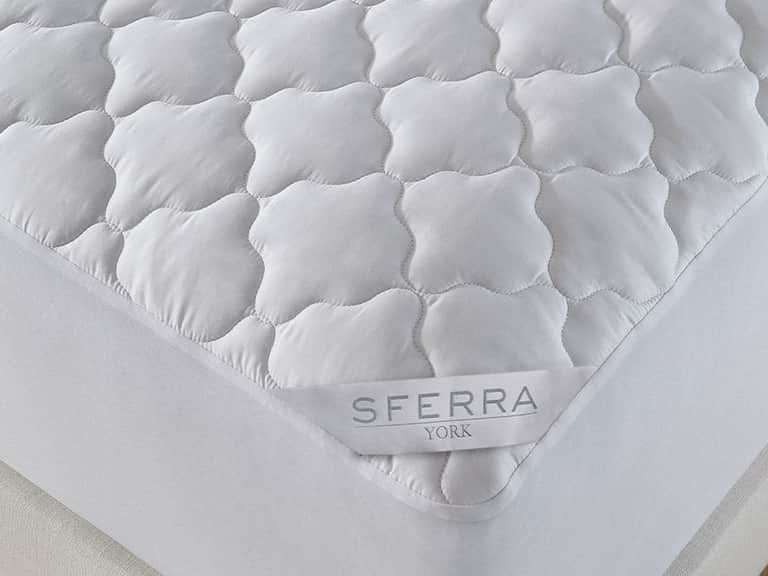
York Mattress Pad offers a plush, premium layering approach that can be paired with an organic crib mattress to enhance comfort while preserving a firm sleep surface for infants. While a mattress pad is not a substitute for a crib mattress, it can contribute to a more comfortable environment when used with safety in mind.
York Mattress Pad details: 100% cotton, 300TC shell, down-alternative loft, machine washable, care guidelines typical of textile-based mattress enhancers.
Dr. Ignaz Semmelweis, a pioneer in maternal health, highlighted the critical impact of cleanliness and environment on infant outcomes. Though not about mattresses specifically, his insistence on sterile conditions and safety in medical settings underscored the importance of reducing exposure to potentially harmful substances in spaces where babies spend long periods. His legacy reminds us that design choices in nurseries—clean, non-toxic materials—can materially influence infant health.
Dr. Peter Fleming, a pediatric sleep researcher, contributed early work on infant sleep safety and the importance of a stable sleep surface for babies. His emphasis on structured sleep environments laid groundwork for modern crib design guidelines that prioritize firm, flat surfaces and minimal hazards—principles that still guide contemporary organic mattress standards.
Dr. Helen Lee, a sleep health advocate and designer, champions non-toxic sleep environments and evidence-based design. Her work bridges medical research with consumer products, urging families to scrutinize certifications and understand how materials interact with infants’ developing systems. Her perspective informs today’s push for transparent labeling and safety-focused product design in nursery spaces.
Building a nursery that respects an infant’s safety and comfort is a cumulative effort. Start with a certified organic crib mattress that prioritizes firmness and edge integrity. Pair it with a washable, breathable, and organic cotton cover or a wipe-clean surface that makes daily care feasible. Consider adding an organic mattress pad with a high-loft but non-toxic filling to strike a balance between comfort and a firm base—much like the York Mattress Pad, which adds loft without compromising essential support.
Beyond the mattress, the environment matters. Temperature regulation, light control, and sound management all contribute to the quality of sleep. A room designed with low-to-no VOC finishes, natural fibers, and soft, non-irritating textures reduces exposure to potential irritants. In this way, the nursery becomes a sanctuary for healthy sleep right from infancy.
The York Mattress Pad from the curated collection offers a premium cotton shell with a lofty, down-alternative fill that delivers comfort without compromising the essential firmness of a baby’s sleep surface. While it’s designed to work with crib mattresses to enhance surface feel, it should be used as a complement—never as a standalone replacement for a proper crib mattress. Its 300-thread-count cotton sateen shell provides a durable, breathable foundation, while the premium cotton filling stays fluffy and supportive over time.
Care guidelines emphasize cold or gentle cycles, avoiding aggressive washing that could degrade loft. When paired with a certified organic crib mattress, the York Pad can contribute to a balanced sleep environment that respects both safety guidelines and baby comfort. See the product details and information below for a quick reference.
Price: $295.00
Care: Machine wash cold, gentle cycle; tumble dry on low. Do not use bleach or fabric softener.
Note: Images displayed here are for reference. See product gallery for visuals when shopping on retailer sites.
Choosing an organic crib mattress is about balancing safety, materials, and practicality. Certifications help you identify products that meet rigorous standards, but the real-world experience matters too: how easy is maintenance, how durable is the surface, and will the materials perform in your baby’s environment? By focusing on firmness, cleanability, and transparent labeling, you create a sleep space that supports healthy development and peace of mind for caregivers.
As you embark on this journey, remember that educational resources, trustworthy product labeling, and thoughtful design are your best allies. Goodbeds believes in clear, evidence-based guidance that respects babies’ health, families’ budgets, and the world we share. The nursery is more than a room; it’s a foundation for growth, learning, and rest—year after year.
Disclaimer: This article is informational and reflects best practices in infant sleep safety. Always consult pediatric sleep guidelines and your pediatrician for personalized advice.