Latex is a natural material prized for its resilience, buoyancy, and breathable comfort, making it a popular choice for bedding components such as mattresses, pillows, and toppers. Its elastic cell structure provides even support and reduces motion transfer, which can contribute to more stable sleep. Understanding latex basics helps customers assess suitability for pressure relief and alignment needs.
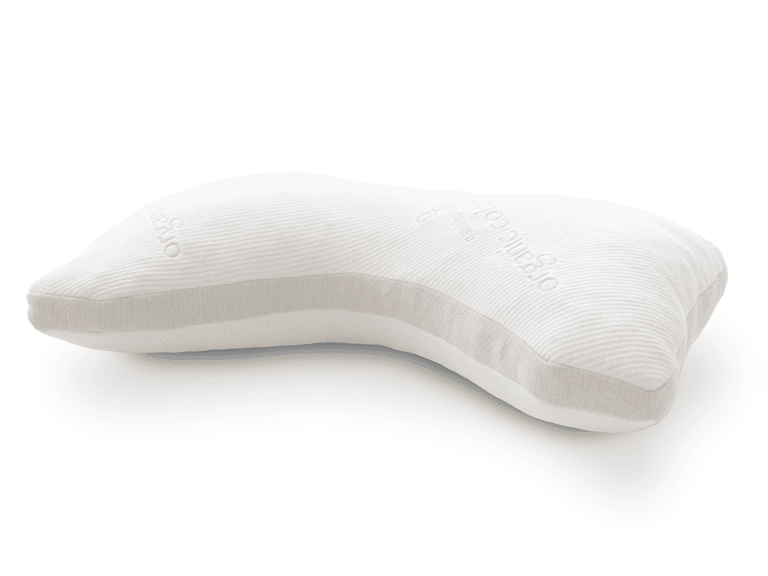
In the context of bedding, latex uses can range from mattress cores to pillows like the Naturepedic Organic Side Sleeper Pillow, which emphasizes ergonomic support for side sleepers. Latex pillows often offer generous contouring, variable firmness options, and hypoallergenic properties, supporting healthy neck and spine alignment while remaining breathable and moisture-absorbent.
Key features to consider include firmness level, purity, andCertifications for latex products. Look for natural or organic latex derived from cooperative rubber tree farming, and verify certifications for low emissions and absence of harmful additives. These factors influence sleep comfort, durability, and indoor air quality around bedding components.
When evaluating latex in bedding systems, it is important to assess isolation of motion, temperature regulation, and edge support. For example, a pillow designed for side sleeping benefits from targeted loft and contouring to cradle the neck, while latex cores in mattresses promote even weight distribution and reduce pressure points across the shoulders and hips.
The Naturepedic Organic Side Sleeper Pillow demonstrates how latex-informed design can combine supportive contour, breathable cover materials, and organic sourcing. This pillow highlights functional benefits such as adaptive resilience, gentle support for side sleepers, and improved airflow, contributing to a comfortable and restorative night's rest along with bedding essentials like organic mattresses and sheets.
 Bedding