Sleep Basics: What Happens When We Close Our Eyes
Sleep is not a single, uniform state. It’s a rhythmic voyage through stages of light sleep, deep sleep, and rapid eye movement (REM) sleep. Circadian rhythms guide our internal clock, nudging us toward wakefulness with daylight and inviting us toward rest when darkness settles in. Understanding these fundamentals helps us tailor routines and environments that align with our biology rather than fight against it.
From ancient sages who attributed sleep to cosmic cycles to contemporary researchers mapping brain activity during different sleep stages, the central truth remains: good sleep is a structured, repeatable process. It is not a luxury but a foundation for health, mood, memory, and daily performance.
- Circadian rhythm: Our internal clock influences when we feel sleepy and when we wake. Regular light exposure in the morning and dimming lights in the evening can help regulate this cycle.
- Sleep stages: NREM stages provide restorative processes (body repair, tissue growth), while REM sleep supports learning, memory consolidation, and emotional regulation.
- Duration and quality: Most adults benefit from 7–9 hours of sleep per night, though individual needs vary. Quality matters as much as quantity, with disruptions and fragmentation reducing restorative benefits.
Education is the first pillar of better sleep. When readers grasp the why behind recommendations, they become more empowered to adapt their routines and make choices that support sustained rest.
Sleep Hygiene: Building a Nighttime Routine That Works
Sleep hygiene isn’t about willpower; it’s about creating predictable cues that tell your brain it’s time to wind down. A consistent wind-down routine signals your body to prepare for rest, reduces bedtime anxiety, and sets the stage for longer periods of restorative sleep.
Key practices most sleep clinicians endorse include:
- Establishing a regular bedtime and wake time, even on weekends
- Limiting caffeine and heavy meals close to bedtime
- Reducing exposure to blue light from screens in the hours before bed
- Engaging in calming activities such as light stretching, journaling, or a warm bath
- Creating a sleep-conducive environment: a cool, dark, quiet room with comfortable bedding
A practical approach is to craft a personal wind-down ritual that you can repeat nightly. The ritual becomes a reliable cue that sleep is imminent, helping you transition from the busyness of the day to the mind’s quiet readiness for rest.
Environment & Habits: Design Your Sleep Sanctuary
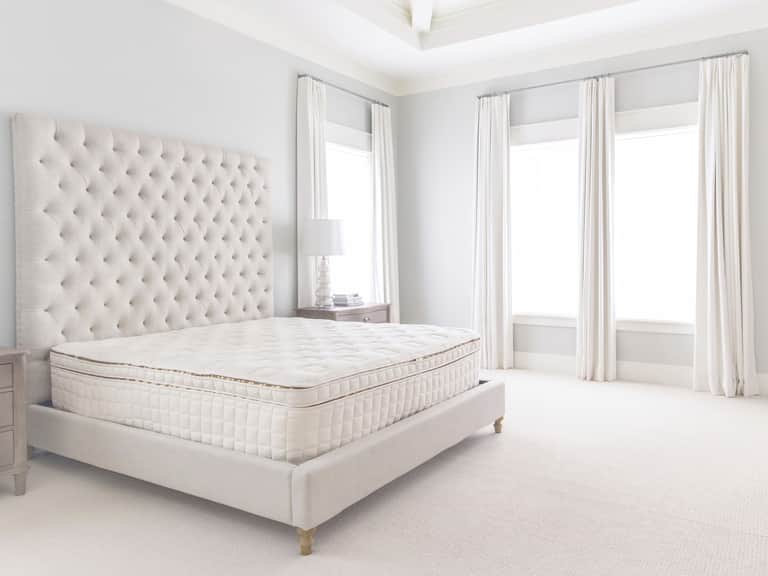
The bedroom is more than a place to lie down; it’s a sanctuary built to support sleep. Temperature, light, noise, and ergonomic considerations all impact the ease with which you fall asleep and stay asleep. Thoughtful choices about bedding, layout, and everyday routines can yield measurable improvements in sleep quality.
Temperature is a particularly influential factor. Most people sleep best in a cool room, typically around 60–67°F (15–19°C). Layered bedding allows you to adapt to nightly fluctuations, while breathable fabrics help regulate microclimates and reduce overheating.
Noise and light should be controlled to minimize disruption. White noise machines, blackout curtains, and high-quality sleep masks can be simple, effective tools. Similarly, opting for low-glare, warm lighting in the evening can ease the transition toward sleep.
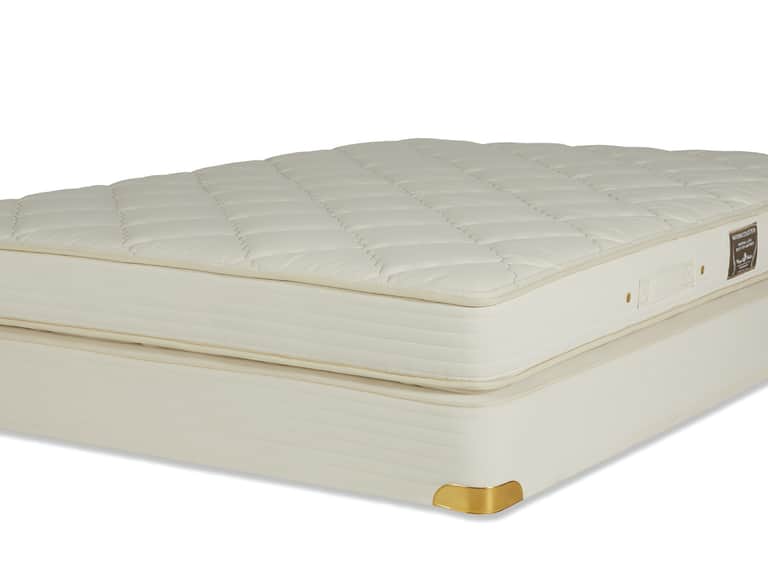
Ergonomics matter too. A bed that promotes spinal alignment, a suitable pillow height, and a supportive mattress contribute to reduced waking with aches or discomfort, which in turn supports continuity of sleep through the night.
Myth vs. Reality: Common Sleep Misconceptions Debunked
Sleep lore abounds — from the belief that you can “catch up” on weekends to the notion that more sleep always equals better sleep. While sleep debt matters, consistent nightly patterns and high-quality sleep are typically more impactful than sporadic, extended weekend sessions. Another frequent myth is that workouts near bedtime automatically derail sleep; in truth, the timing and intensity of exercise interact with your circadian rhythm in nuanced ways. The aim is to align activity with your body’s signals rather than rigidly chase a universal magic number of hours.
By separating fact from fiction, readers can tailor sleep strategies that are realistic, sustainable, and respectful of personal differences in sleep needs and lifestyles.
Tools & Resources: Practical Aids for Sleep Tracking and Planning
Effective sleep improvement often benefits from tangible tools. Printable sleep diaries, habit trackers, and simple checklists help you quantify progress, identify patterns, and maintain accountability. Here are a few starter resources you can adapt for your own routine:
- A weekly sleep diary template to log bedtimes, wake times, and perceived sleep quality
- A wind-down checklist outlining the last hour before sleep
- Room-temperature and lighting adjustment planners to experiment with optimal conditions
Supplementary formats, such as short explainers, quick quizzes to assess sleep quality, and visually appealing infographics, can make complex information accessible without overwhelming readers. The goal is to provide practical, actionable steps that readers can implement immediately.
Key Individuals Through Time: A Tapestry of Sleep Wisdom
Sleep is not a modern invention; it’s a universal human experience. To bring the topic to life, this article highlights three notable individuals from different historical periods who, in their own ways, emphasized rest, routines, and the pursuit of well-being through sleep. Their stories remind us that sleep health is both timeless and personally meaningful.
< article class="card h-100 border-0 shadow-sm">
Hypatia of Alexandria (c. 350–415 CE)
A 4th-century philosopher and mathematician whose life bridged science and contemplation, Hypatia’s era reminds us that clear thinking follows a rhythm of focused study and restorative rest. Her era valorized quiet study and rational inquiry — a reminder that sleep is not merely personal maintenance but a driver of mental discipline and curiosity.
Takeaway: Regular rest supports clarity, inquiry, and lifelong learning—principles still echoed in today’s sleep hygiene recommendations.
Florence Nightingale (1820–1910)
Pioneer of modern nursing, Nightingale prioritized systematic approaches to health, including rest and recovery for patients and caregivers alike. Her work underscored the importance of structured routines, clean environments, and evidence-based practices — a historical echo of today’s emphasis on sleep environments and hygiene as a public health measure.
Takeaway: Structured routines and clean, calm spaces support both personal sleep and communal well-being.
Dr. Samuel Johnson (1709–1784)
The famed writer and lexicographer documented long nights of work, yet his enduring legacy is the reminder that sleep is essential to productivity, mood, and linguistic clarity. Johnson’s approach illustrates a modern tension: the drive to produce can tempt a sacrifice of rest, but a balanced cadence yields sustainable brilliance.
Takeaway: Even in demanding creative periods, honoring sleep improves output and consistency over time.
Modern Voices: Sleep Scientists and Thought Leaders Today
To connect past wisdom with present research, we turn to contemporary voices who study sleep health, circadian biology, and environmental ergonomics. Their findings offer practical guidance you can apply tonight.
- Dr. Sara Ahmed — A sleep scientist emphasizing circadian alignment and light exposure strategies for shift workers and students alike.
- Dr. Michael Chen — A clinician focused on sleep disorders, offering accessible explanations of when to seek help and how therapy and lifestyle changes interact.
- Priya Kapoor, RGB Design Studio — An interior designer who studies how color, texture, and lighting influence sleep quality, translating design choices into healthier bedrooms.
These voices illustrate a shared understanding: small, informed changes in routine, environment, and awareness can yield meaningful improvements in sleep health without requiring drastic lifestyle overhauls.
Product Spotlight: A Thoughtful Bed for a Sleep-Forward Bedroom
In a world of vast options, a well-crafted bed can anchor a bedroom’s sleep profile. We spotlight a handcrafted beauty that embodies durability, comfort, and a timeless aesthetic: the Maple Corner Woodworks Harvestmoon Bed. This bed is a nod to slow furniture making—handcrafted in Vermont from natural hardwoods (cherry, maple, or walnut) with a natural hand-rubbed finish. It is designed as a platform bed, minimizing the need for a box spring, and features ten wide interlocking slats for solid support. The design prioritizes clean lines, robust joinery, and a space-saving approach that respects under-bed storage. The Harvestmoon Bed represents a marriage of form and function: a serene anchor for a sleep-conducive room.
Maple Corner Woodworks Harvestmoon Bed
Wood choices: Cherry, Maple, or Walnut
Finish: Natural hand-rubbed, low-VOC
Construction: Platform design, ten interlocking slats, heavy-duty cast hangers
Sizes: Twin to Cal King
Care: Linseed oil-based finish, easy maintenance
Why this bed matters for sleep health: a sturdy foundation supports proper spinal alignment, minimizes motion transfer, and contributes to an undisturbed night. The absence of a box spring in the standard configuration reduces excess height and creates a streamlined profile that can ease entry and exit from bed. Its natural materials and zero-VOC orientation align with broader environmental health goals, making it a thoughtful centerpiece for a sleep-focused bedroom.
Availability and pricing: This handcrafted piece offers a premium investment in your sleep environment, with customization options to fit your room’s dimensions and decor. If you’re exploring timeless craftsmanship and durable design, the Harvestmoon Bed stands out as a blueprint for how a bed can be both a functional object and a lasting design statement.
Note: Availability and shipping vary. Contact the seller for current lead times and quote.